Outstanding Young Scientists Honored with 2025 TÜBA–GEBİP Awards
The TÜBA Awards, granted under the auspices of the Presidency of the Republic of Türkiye and presented by the Turkish Academy of Sciences (TÜBA), have been conferred. The awards comprise the TÜBA International Academy Awards, the TÜBA–Outstanding Young Scientist Award (GEBİP), and the TÜBA–Scientific Copyrighted Work Award (TESEP).
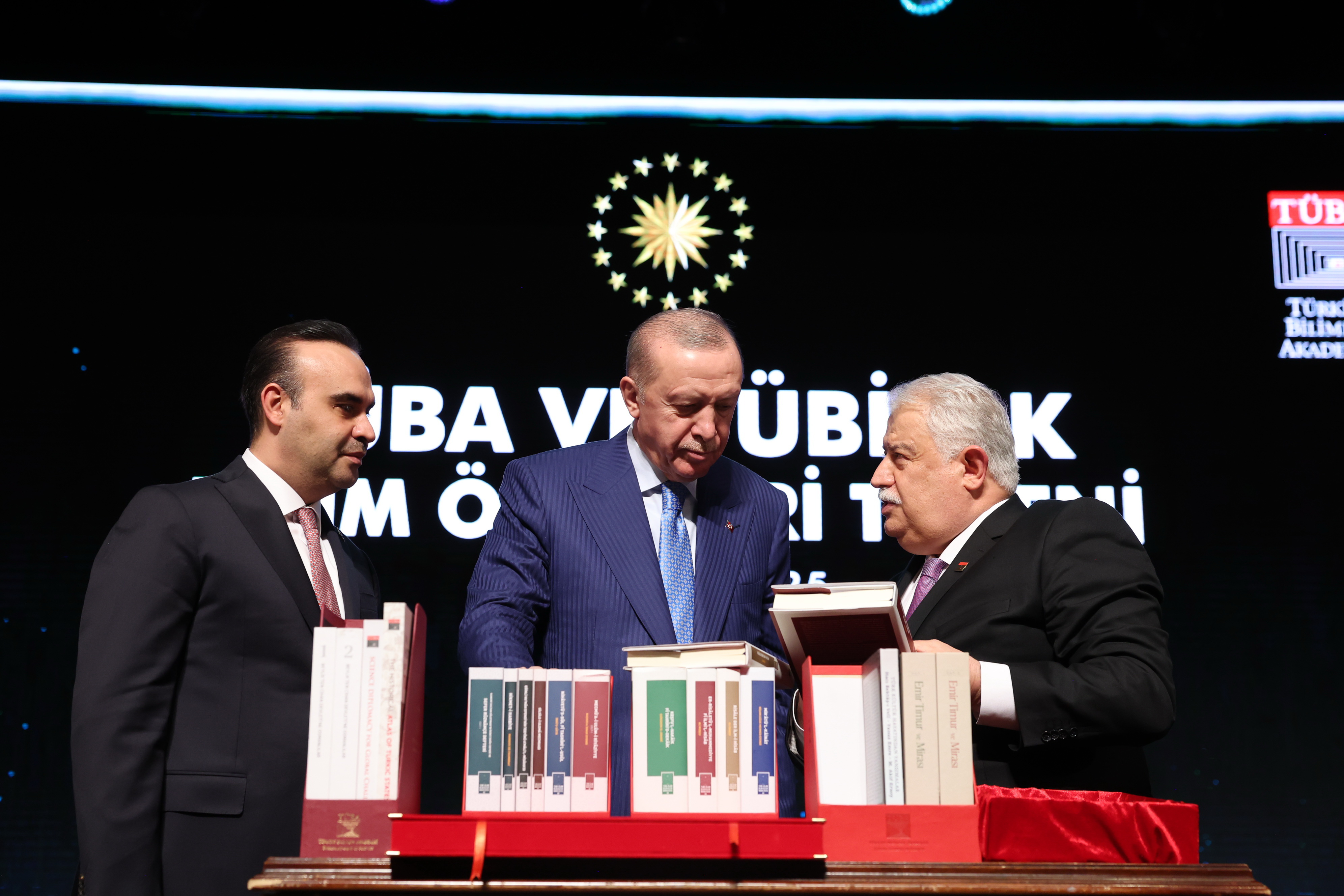
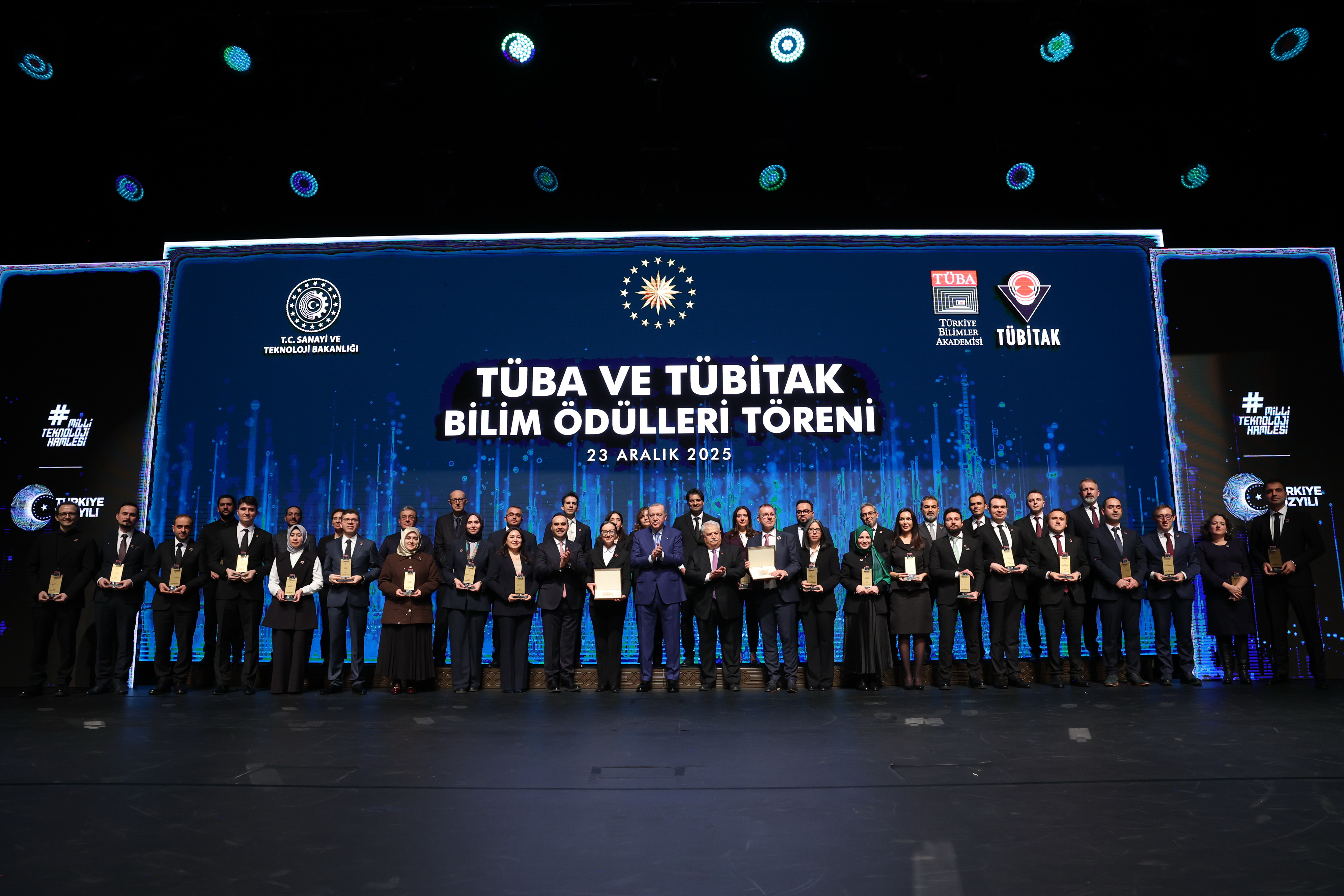
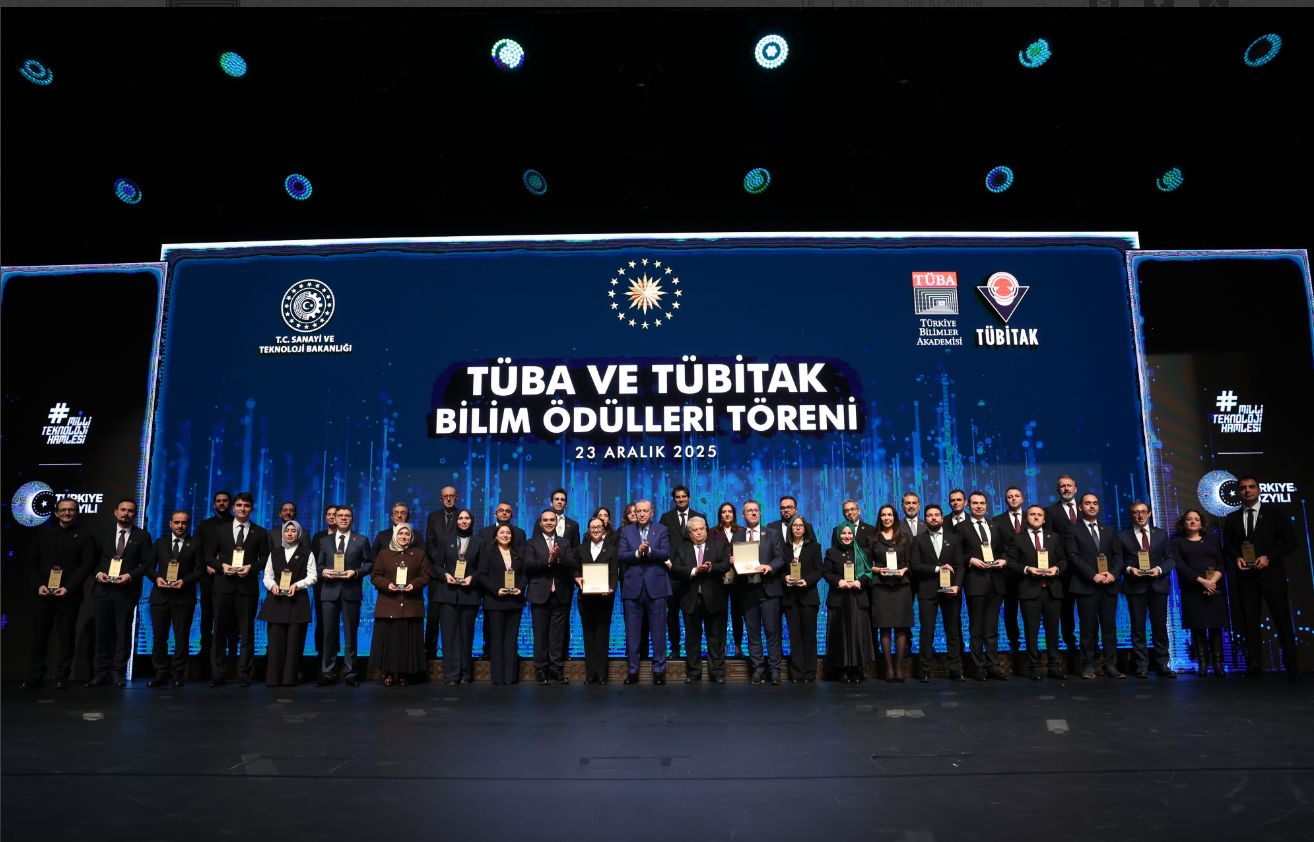
The 2025 TÜBA Awards once again highlighted the strategic role of the Turkish Young Academy within the scientific ecosystem while honoring the achievements of young scientists. Within the scope of the TÜBA–GEBİP Awards, the awardees received their honors from His Excellency the President of the Republic of Türkiye.
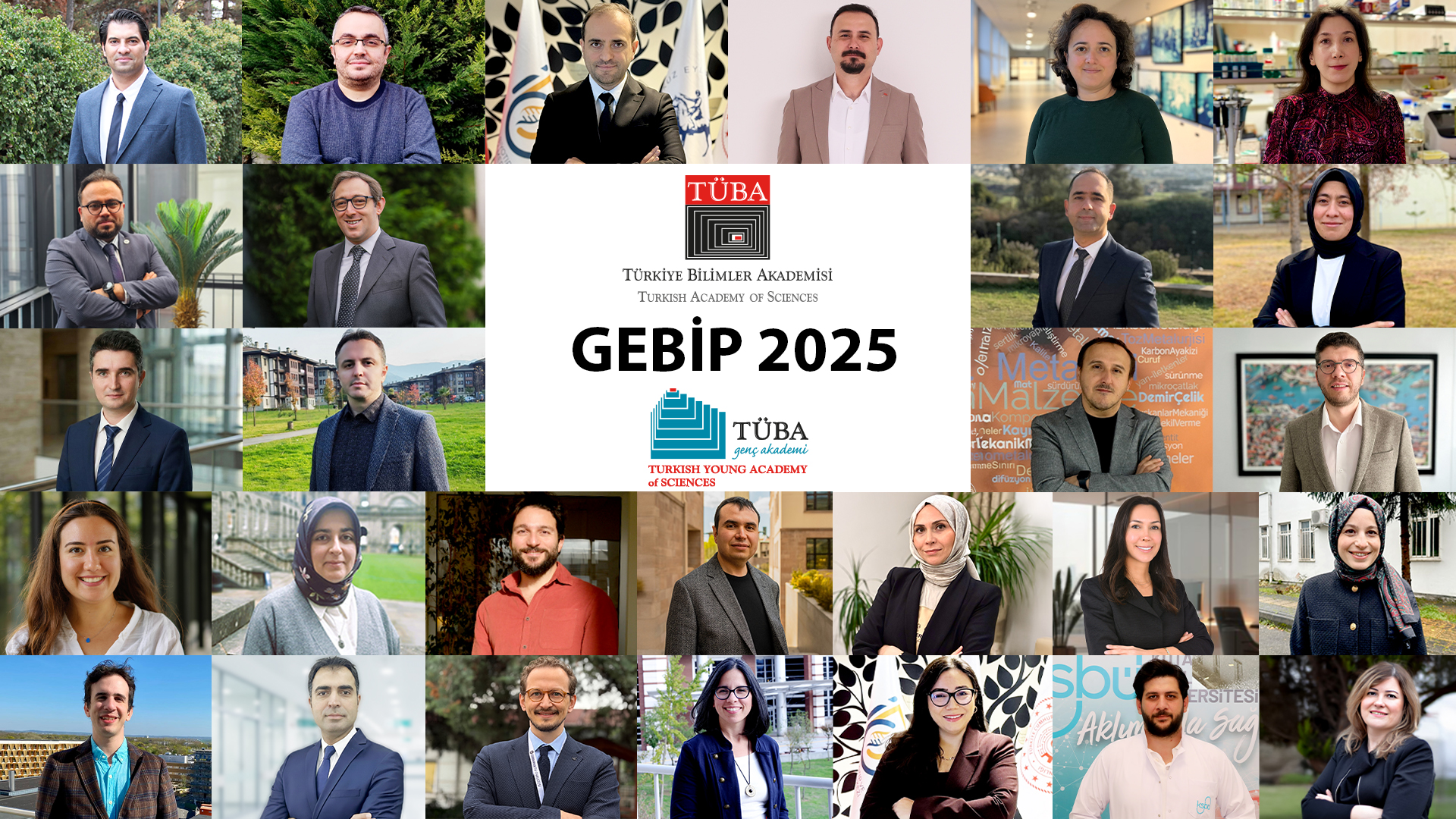
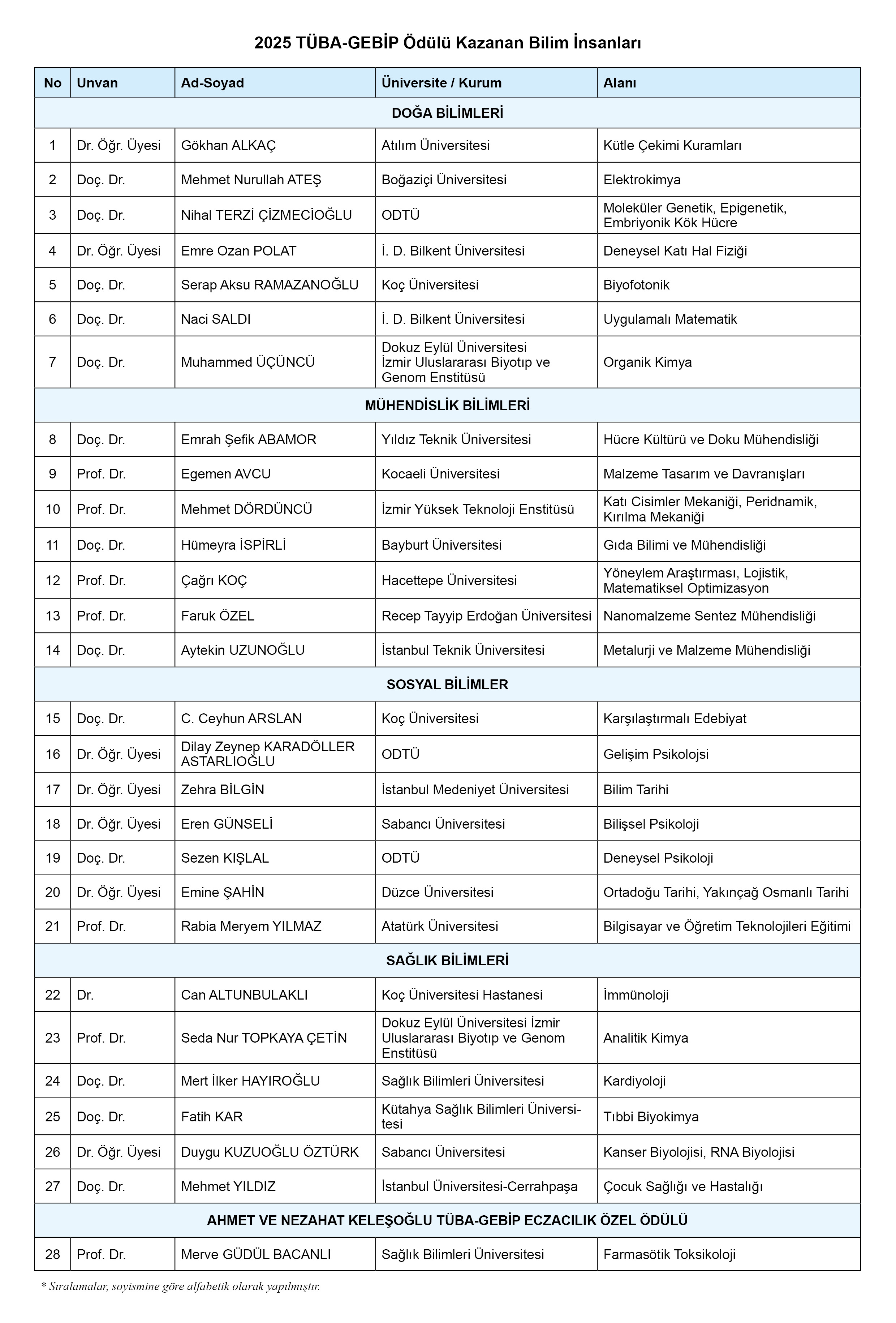
The TÜBA–GEBİP Award was designed to enhance Türkiye’s visibility in the international scientific community, strengthen scientific cooperation, and encourage outstanding young scientists to continue their research in Türkiye. It has become a distinguished scientific brand with a strong institutional legacy. In 2025, 28 exceptional young scientists, including recipients of the Ahmet and Nezahat Keleşoğlu TÜBA-GEBİP Special Award in Pharmacy, received this prestigious accolade. The GEBİP awardees will also play an active role in shaping Türkiye's scientific future as new candidate members of the Turkish Young Academy.
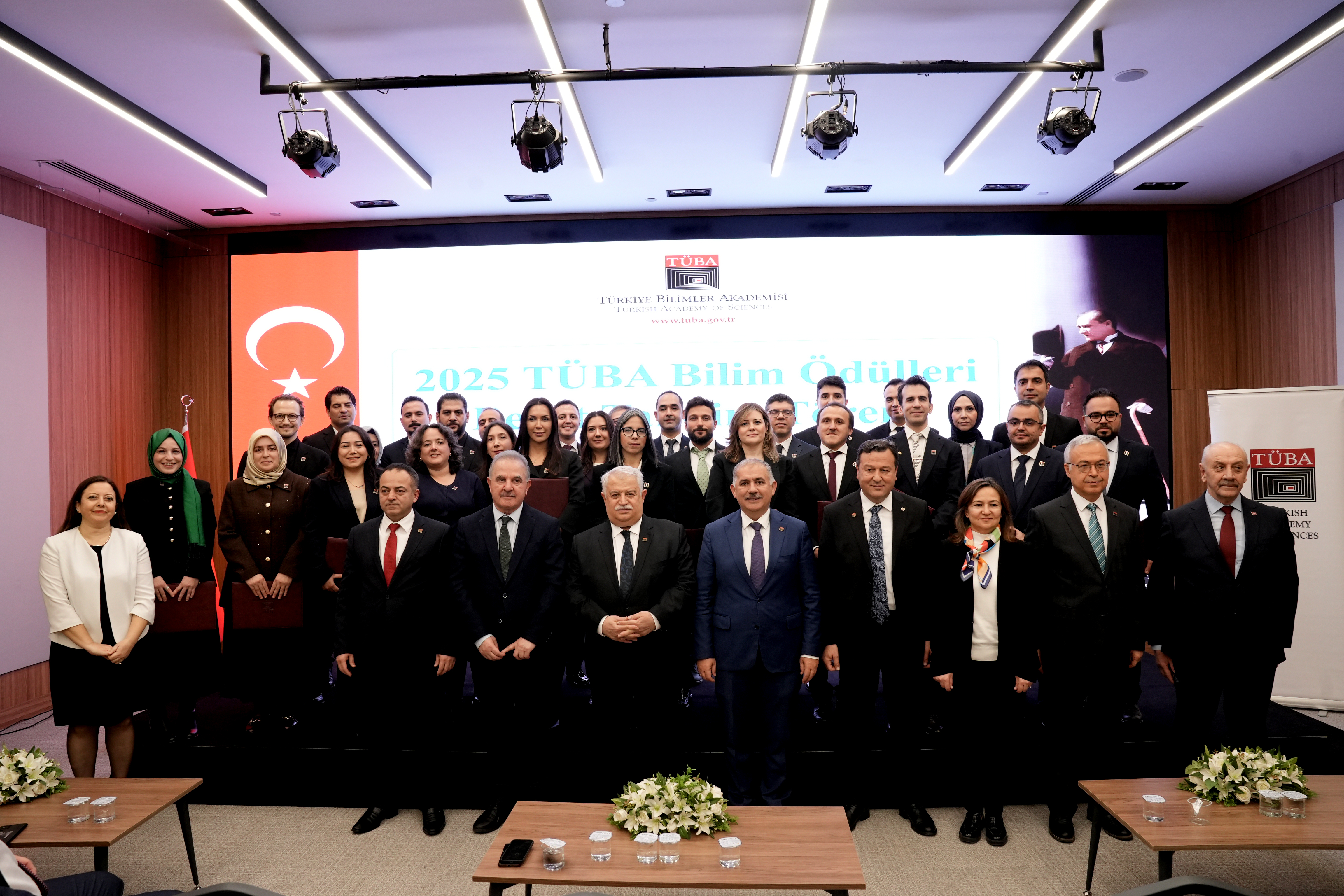
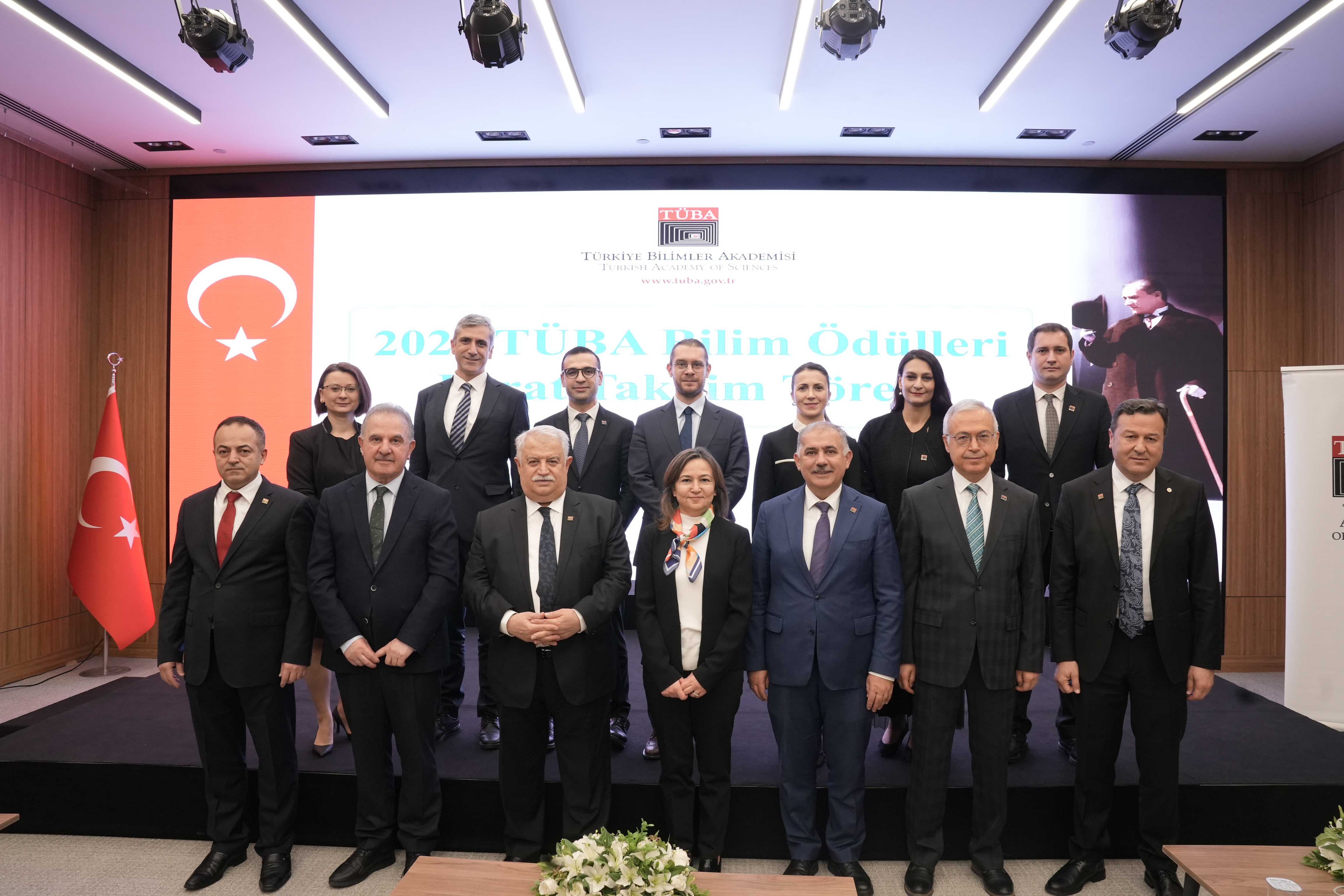
Prior to the award ceremony held at the Presidential Complex, TÜBA President Prof. Dr. Muzaffer Şeker presented certificates of merit to the recipients at an event organised at the EBS Hotel. Attendees included Assoc. Prof. Dr. Mürsel Doğrul, President of the Turkish Young Academy, members of the board, and the GEBİP awardees and their families.
The Turkish Young Academy is built upon the institutional legacy of the TÜBA–GEBİP Awards, which date back to 2001. It is nourished by a strong academic network formed through the recognition of 697 young scientists with the GEBİP Award by 2025. The Academy's structure is designed to strengthen the contributions of young scientists to science policy and foster interdisciplinary interaction.
Related Images